
5 tips for the Paris Marathon
Running the Paris Marathon is an unforgettable experience for any runner. Covering 42 kilometers and 195 meters remains a physical and mental feat, and doing it in an environment as unique as the center of Paris adds an exceptional dimension to this day, which will forever be etched in your memory as a marathoner. To make the most of this marathon and manage this demanding race, here are some tips to follow from the first to the last kilometer.
1. The Descent of the Champs-Élysées
At the start of a marathon, the excitement is palpable. Starting on an avenue as majestic as the Champs-Élysées is a unique moment. However, with the urge to set off on this slightly downhill course, it's easy to start too fast, a classic mistake for both novices and some experienced runners. In these first kilometers, start at a pace below your average speed to conserve energy, which you'll need at the end of the race. Maintain this conservative pace at least until the Louvre pyramid. Don't forget to quickly look back at the bottom of the Champs-Élysées to admire the thousands of runners filling the avenue – an impressive sight!
2. The Crossing of Paris from West to East
After passing the Louvre pyramid, you'll turn left and begin your crossing of Paris from west to east until the Bois de Vincennes. This is the time to slightly accelerate and run at your target marathon pace, like a metronome, kilometer after kilometer. The course is relatively flat and straight, ideal for unwinding your stride. Prepare for a slight false uphill flat in the Bois de Vincennes when you turn towards Notre-Dame.
3. The Return to Western Paris
After leaving the Bois de Vincennes, experienced marathoners will tell you that the marathon truly begins after the half-way point and rather around the 25th kilometer, near Île Saint-Louis. Fatigue will set in. It will be crucial to maintain your pace by drawing on your physical and mental reserves. You will encounter several passages under bridges with abrupt ascents. Relax your shoulders and arms on the descents, and try to tackle the climbs without overexerting yourself. Around the 30th kilometer, you'll be near the Eiffel Tower. Don't forget to admire it for just a few seconds!
4. The Bois de Boulogne and its Famous Hill
Between the 30th and 35th kilometer towards the Bois de Boulogne, the kilometers may start to feel longer than usual. Hold on mentally and maintain your target pace for as long as possible. After the 35th kilometer arch, you'll tackle an uphill section. I saw an elite runner stop to recover on this hill. So, take it moderately; there are still several kilometers to go after this difficulty. Try to get through it smoothly rather than by force.
5. Exiting the Bois de Boulogne and the Final Kilometers
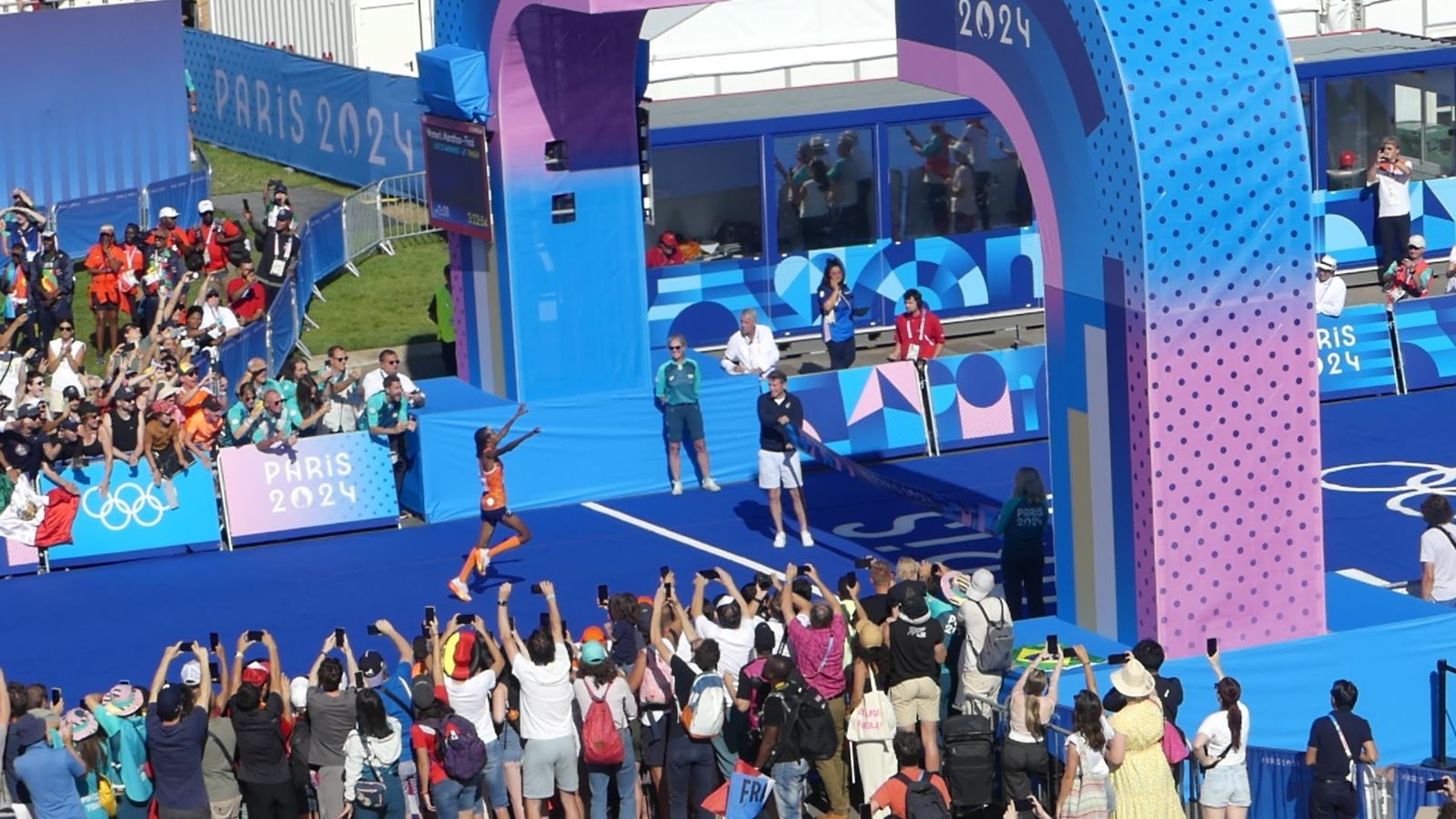
In the Bois de Boulogne, there are generally fewer supporters, and the atmosphere is different. Other runners are suffering just like you. Be patient, because upon exiting, the atmosphere changes, and more and more supporters will be there to encourage you. These last kilometers may seem endless, but a final right turn will finally lead you to the finish line, surrounded by thousands of spectators.
Congratulations, you have just completed the Paris Marathon! If this was your first marathon, you are now a marathoner.
Congratulations! 🎉

Leave a comment
This site is protected by hCaptcha and the hCaptcha Privacy Policy and Terms of Service apply.