
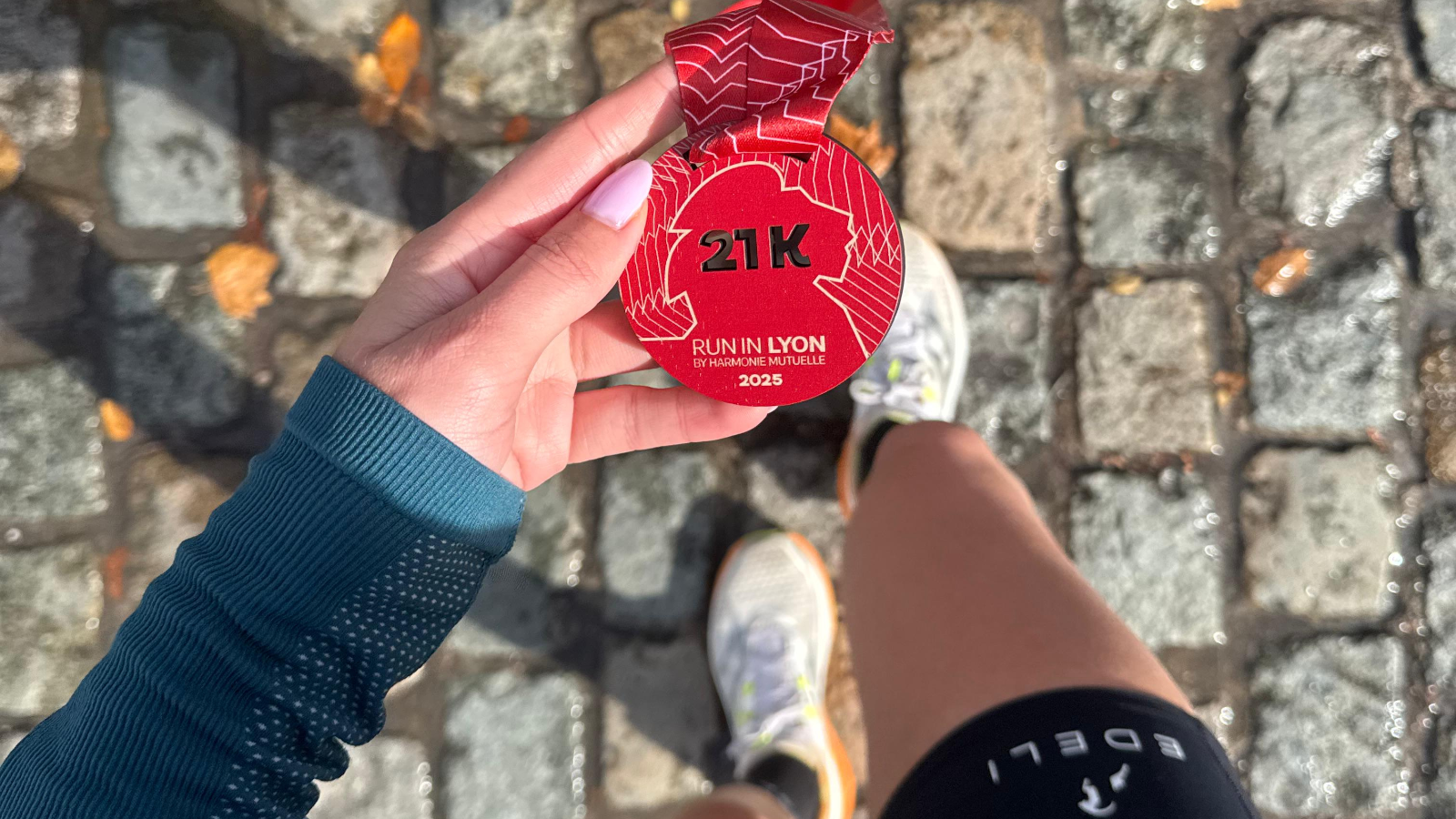
Training for Your First Half Marathon: The Complete Guide
Running a half-marathon is the gateway to long-distance running, halfway between a 10K and a marathon. It is both an accessible and ambitious goal. For most new half-marathon runners, running 21.0975 kilometers can mean running for at least two hours straight. It will potentially be your longest running session, a discovery, an adventure, and an accomplishment. To prepare seriously, here is a complete guide to training for your first half-marathon.
Choosing the Course
The first step is to choose your half-marathon and register for it. Registering is an excellent way to start preparing because it's a commitment: mentally, it helps to keep you motivated over time. The first tip is to choose an easy half-marathon course, meaning one with no elevation, relatively flat, and more straight than winding.
Preparation Duration
For a first half-marathon, you should plan for 10 to 12 weeks. This is the time needed to adapt your body to the distance and to prepare progressively while avoiding the risk of injury. You need to follow a structured training plan for 10 to 12 weeks before the half-marathon.
Equipment
Running is one of the sports that requires relatively little equipment. However, you should not neglect the choice of shoes and running gear. Shoes should offer comfort (cushioning), support/stability, and a natural stride (intermediate drop between 6 and 10mm). For a first half-marathon, there's no need to opt for ultra-lightness at the expense of comfort or for demanding carbon-plated competition shoes. For clothing, choose technical gear: soft, light, breathable (like the Free Runner collection).
Key Training Principles
The keywords for first half-marathon training are progression, regularity, fundamental endurance, and complementary sessions. What does this imply?
- Progression: Follow a training plan that starts gently and gradually intensifies week after week.
- Regularity: Commit to running three times a week, every week.
- Fundamental endurance: Prepare to run 70 to 80% of the time at a moderate pace (a pace where you can still talk).
- Complementary sessions: Each week, complete a short recovery run, a medium run (potentially with some intensity or at threshold pace), and a progressive long run (up to 10-12 km in the first month, 13-15 km in the second month, and 16-18 km in the third month for the longest run).
Training Structure
The training plan structure should be based on the four key notions mentioned above. Many training plans exist for a first half-marathon. Estimate your starting point without overestimating or underestimating yourself: beginner, intermediate, or advanced level (regular runner/athletic profile). Choose the plan that suits you best. For example, a beginner plan will start with sessions that alternate walking and running. For an advanced plan, it can include up to 4 weekly sessions with at least one session per week being a higher-intensity interval session.
Nutrition and Hydration
Diet and hydration play an essential role in preparing for a first half-marathon. The goal is not to follow a strict diet, but to help the body recover better, adapt better to training, and have enough energy for long runs.
On a daily basis, prioritize a balanced and varied diet: quality carbohydrates (rice, pasta, potatoes, oatmeal), protein for muscle recovery, vegetables, fruits, and healthy fats. Carbohydrates remain the main fuel for endurance runners.
Hydration should become a daily habit. It's not just about drinking during long sessions: you need to be properly hydrated even before you run. Unusual fatigue, headaches, or a feeling of heavy legs can sometimes simply indicate a lack of hydration.
Some simple principles:
• Drink regularly throughout the day
• Avoid testing new foods before a long run or the race
• Eat lightly 2 to 3 hours before running
• Plan a recovery snack after long sessions (carbohydrates + protein)
• Test what will be used on race day during training (drink, gel, energy bar)
For a first half-marathon, it is advisable to start eating and drinking during long runs exceeding 1h15-1h30. This helps to accustom the digestive system to prolonged exertion.
Strength Training and Flexibility
Running isn't always enough to run well. Strength training helps to improve posture, limit imbalances, and reduce the risk of injury. For a new half-marathon runner, two short weekly sessions can already make a real difference.
The work should mainly target:
• The legs (quadriceps, calves, hamstrings)
• The glutes, essential for stability
• The abdominal muscles and core strength
• The ankles and foot support
Simple exercises like squats, lunges, calf raises, planks, or wall sits are largely sufficient to start.
Flexibility and mobility are also important. After sessions, a few minutes of light stretching and joint mobility can help reduce muscle tension. There's no need to aim for extreme flexibility: the goal is mainly to maintain a good range of motion and a fluid stride.
Recovery and Sleep
Progress isn't only made during training: it's also built during recovery. It's during rest phases that the body adapts to the efforts made.
For a first half-marathon, it's common to underestimate the importance of sleep. However, a lack of recovery greatly increases the risk of chronic fatigue, decreased motivation, and injury.
Some simple rules:
• Plan for at least one complete rest day per week
• Sleep as regularly as possible
• Lighten training in case of unusual fatigue
• Don't try to "catch up" on a missed session
Recovery also includes easy runs. Running slowly is not "wasting time": it is essential for building endurance.
Mental Preparation
A first half-marathon is as much a mental challenge as it is a physical one. The distance can be daunting, especially when long runs become demanding. It's normal to have doubts during preparation.
The best way to build confidence is consistency. Each completed week of training gradually builds the conviction that the goal is achievable.
Some useful tips:
• Focus on progress rather than performance
• Mentally break down the race into several parts
• Visualize difficult moments and how to manage them
• Accept that some sessions will be more challenging than others
On half-marathon day, the atmosphere, other runners, and the event's energy often provide a very useful extra boost of motivation.
Race Week
The last week is no longer for physical improvement. The goal is to arrive fresh, rested, and confident on race day.
Therefore, training volume should be significantly reduced:
• Only short and easy runs
• No intense sessions
• No long runs
It's also time to:
• Get enough sleep
• Stay well hydrated
• Prepare your gear in advance
• Check times, transport, and the route
In the days leading up to the race, slightly increase the carbohydrate content in your diet to maximize energy reserves.
Race day: how to run your first half marathon
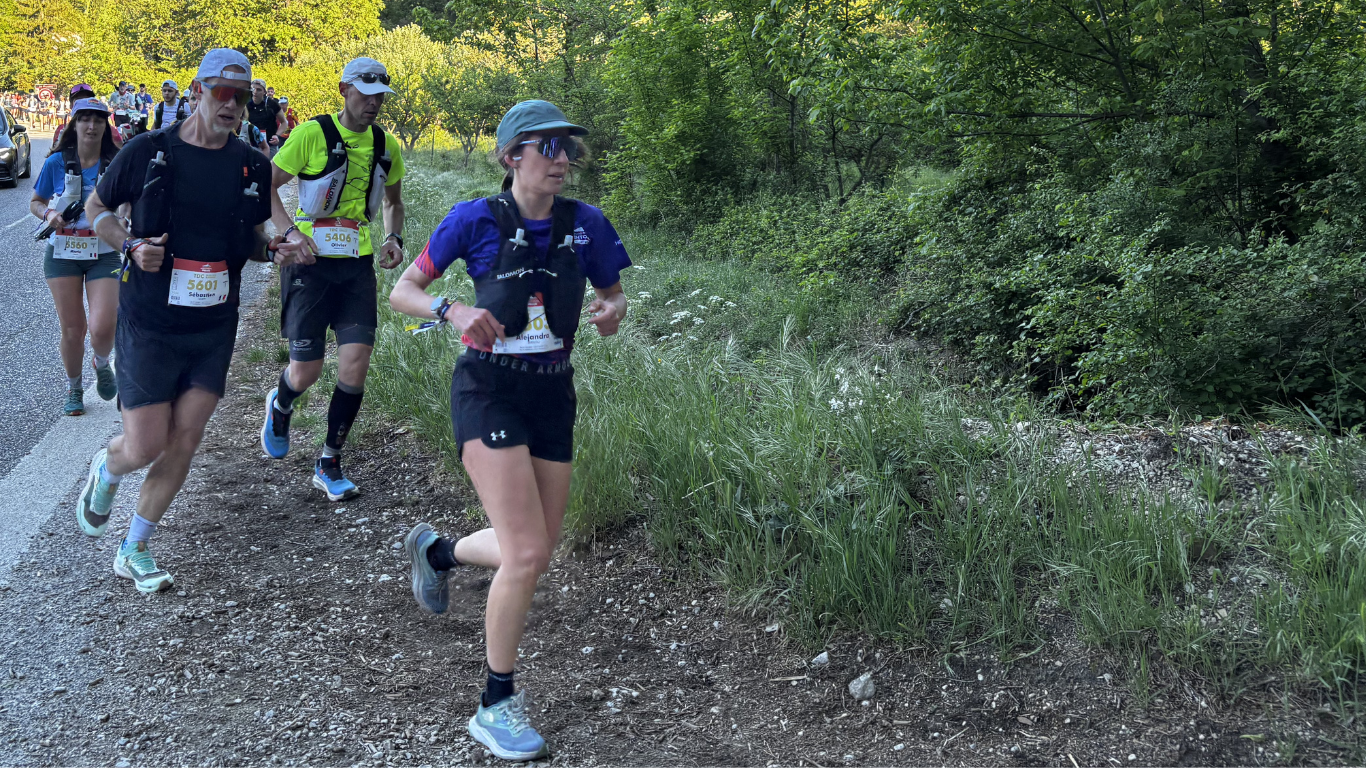
The most common mistake during a first half marathon is starting too fast. The euphoria of the start, the atmosphere, and the adrenaline often make you feel like it's very easy for the first few kilometers.
The main goal should be to run at a consistent and controlled pace.
Some essential tips:
• Start slower than you think you can maintain
• Maintain your endurance pace
• Drink regularly at aid stations
• Eat before feeling significant fatigue
• Stay focused until the 15th kilometer before potentially accelerating
Mentally, it's often useful to break down the race:
• 0-7 km: stay easy
• 7-15 km: find your rhythm
• 15-21 km: manage effort and gradually finish
For many runners, the last few kilometers represent a physical and mental discovery. This is normal. The goal of a first half marathon is above all to finish in good condition and enjoy the experience.
After the half marathon
Crossing the finish line of a first half marathon is an important step in a runner's progression. After the race, take time to recover and savor the accomplishment.
In the following days:
• Continue to walk and move lightly
• Stay well hydrated
• Get enough sleep
• Avoid immediately resuming intense training
A light week is often necessary before gradually resuming running.
Finally, take time to analyze your experience:
• What went well?
• What was difficult?
• Was the time goal appropriate?
• Was the equipment and nutrition suitable?
This first half marathon will serve as a solid foundation for future challenges: improving your time, running a hillier half, or perhaps preparing for a marathon.
FAQ
o Can you prepare for a half marathon in 8 weeks?
Yes, it is possible to prepare for a half marathon in 8 weeks, but it depends heavily on your starting fitness level. An 8-week preparation is mainly suitable for people who already run regularly or have a good sports foundation. For a complete beginner, a 10 to 12-week preparation is still preferable to prepare more gradually and limit the risk of injury. In 8 weeks, the training volume increases more quickly, which requires more recovery and discipline. The main goal should remain to finish the half marathon in good condition, not to seek absolute performance.
o How many kilometers to run per week?
Weekly mileage depends on your level and the chosen training plan. For a first half marathon, it's not necessary to run very high volumes.
As an indication:
• Beginner: approximately 20 to 30 km per week
• Intermediate level: approximately 30 to 45 km per week
• More advanced runner: 45 km and more
The most important thing is the regularity of sessions and the progressive increase in volume. It is better to run three times a week consistently than to have one big week followed by several days off.
o What time should you aim for in a first half marathon?
For a first half marathon, the best goal is often simply to finish the race. Performance will come naturally with experience.
For new half marathoners, the most common times are generally:
• Between 2h00 and 2h30 for many beginners
• Around 1h45-2h00 for those already athletic or regular runners
It is preferable to choose a realistic and slightly conservative goal. An overly ambitious pace at the start can make the last few kilometers very difficult.
o Should you run 21 km before the race?
No, it is not necessary to run the full distance before the day of the half marathon. In most training plans, the longest run is between 16 and 18 km.
The goal of preparation is to gradually build endurance without accumulating excessive fatigue. Running 21 km in training can prolong recovery and unnecessarily increase the risk of injury.
On race day, adrenaline, the atmosphere, and the tapering phase generally allow you to cover the extra kilometers.
o Can you walk during a half marathon?
Yes, absolutely. Walking for a few moments during a half marathon is common, especially during a first half marathon.
Some runners walk:
• At aid stations to drink more easily
• Uphill
• For a few tens of seconds to recover
Walking briefly does not mean "failing" your race. It can even help you manage your effort better and set off again more comfortably afterwards.
The main goal of a first half-marathon is to cross the finish line in good condition.
o What pace should I run at?
For a first half-marathon, the ideal pace is generally a sustained but comfortable endurance pace. You should be able to speak in short sentences for a good part of the race.
The main advice is to start carefully. Many beginner runners start too fast under the influence of the atmosphere and pay for it after the 15th kilometer.
A simple strategy is to:
• Run the first kilometers slightly below your target pace
• Then stabilize your pace
• Only accelerate if you still feel good in the last kilometers
When in doubt, it's always better to start a little too slowly than a little too fast.


Leave a comment
This site is protected by hCaptcha and the hCaptcha Privacy Policy and Terms of Service apply.